

String Instrument Sizing Guide
How are string instruments measured?
String instruments are measured according to the length of the body of the instrument and the length of the arm. Here we show you how to quickly determine the correct size for you.
Violins
The violin that is right for you depends on the length of your arm and the length of the violin body. To measure your arm length, hold your left arm parallel to the floor and run a tape measure from your neck to the palm of your hand; this indicates the maximum length instrument that will be comfortable for you. The table below provides the range of violin sizes for easy reference. The length of the violin body is found by measuring between the bottom of the instrument (near the end pin) to the top end (where the neck attaches to the body).
Already have a violin? Here's a quick way to check the size:
- Hold the violin in playing position, resting on the left shoulder with the chin on the chin rest.
- Stretch the left arm out underneath the violin, along the neck, towards the scroll (the curled end).
- Wrap the left hand around the scroll. The fingers should curl around it comfortably, with the elbow slightly bent.
If the arm has to be fully straight to reach, or the fingertips only just touch the scroll, the violin is too big. If the elbow is bent a lot and the hand reaches well past the scroll, it may be too small.
If you're not sure which size is right, get in touch with us.
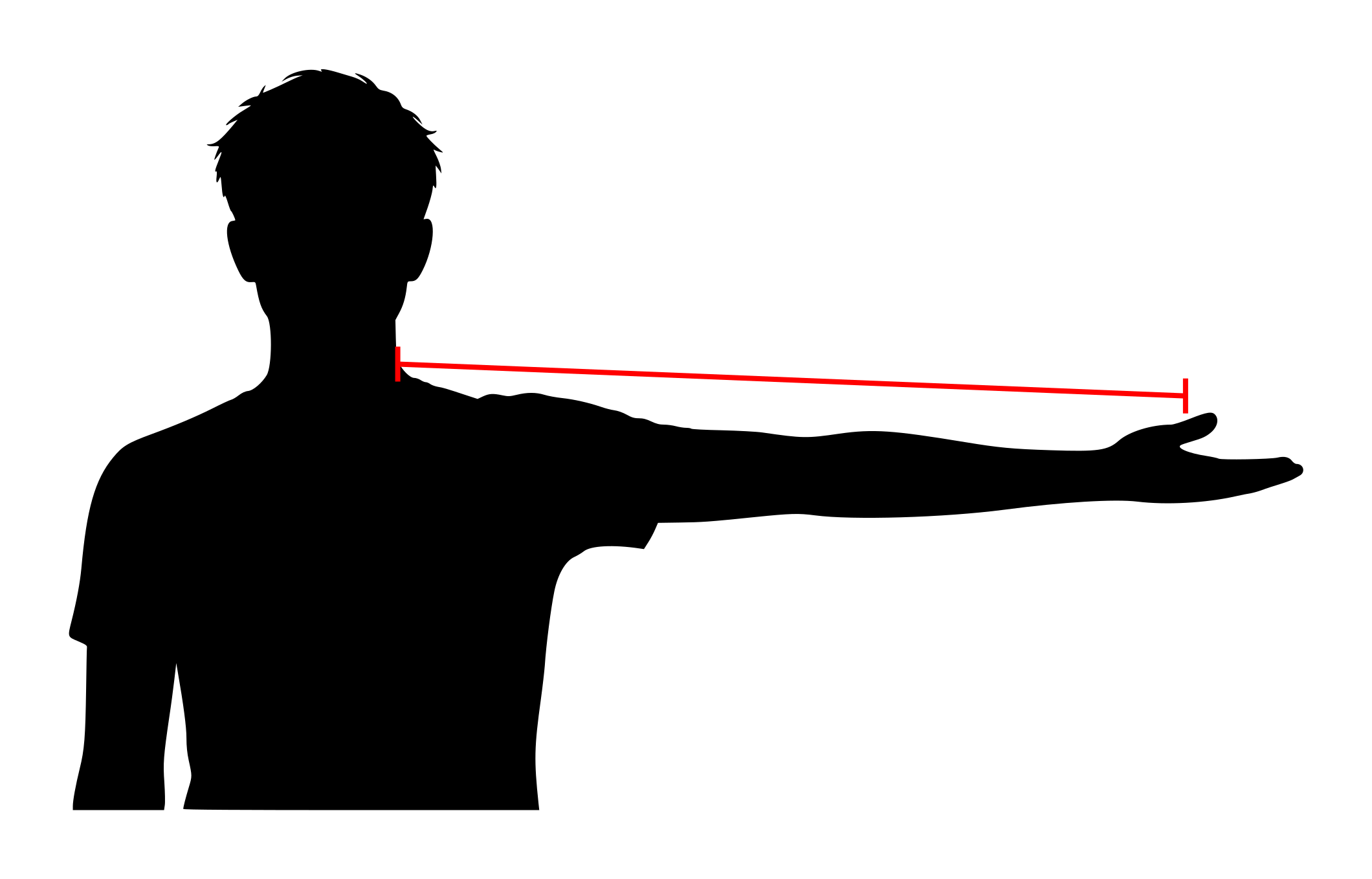
| Size of Violin | Measurement (CM) | Average Age of Student |
|---|---|---|
| 1/16 | 35-38 CM | 3 - 4 YRS |
| 1/10 | 39 - 42 CM | 4 - 5 YRS |
| 1/8 | 43 - 46 CM | 5 - 6 YRS |
| 1/4 | 47 - 51 CM | 6 - 7 YRS |
| 1/2 | 52 - 56 CM | 7 - 8 YRS |
| 3/4 | 57 - 60 CM | 9 - 11 YRS |
| 4/4 | > 60 CM | 11 - 13+ YRS |
Violas
The viola that is right for you depends on the length of your arm and the length of the viola body. To measure your arm length, hold your left arm parallel to the floor and run a tape measure from your neck to the palm of your hand; this indicates the maximum length instrument that will be comfortable for you. The table below provides the range of viola sizes for easy reference. The length of the viola body is found by measuring between the bottom of the instrument (near the end pin) to the top end (where the neck attaches to the body).
Already have a viola? Here's a quick way to check the size:
- Hold the viola in playing position, resting on the left shoulder with the chin on the chin rest.
- Stretch the left arm out underneath the viola, along the neck, towards the scroll (the curled end).
- Wrap the left hand around the scroll. The fingers should curl around it comfortably, with the elbow slightly bent.
If the arm has to be fully straight to reach, or the fingertips only just touch the scroll, the viola is too big. If the elbow is bent a lot and the hand reaches well past the scroll, it may be too small.
If you're not sure which size is right, get in touch with us.
For violas larger than 14", arm length and instrument weight are more important than age, so use the arm-length measurement above to choose the right size.
| Size of Viola | Measurement (CM) | Average Age of Student |
|---|---|---|
| 11" | 47 - 51 CM | 6 - 7 YRS |
| 12" | 52 - 56 CM | 7 - 8 YRS |
| 13" | 57 - 60 CM | 9 - 11 YRS |
| 14" | 60 - 63 CM | 11 - 13 YRS |
| 15" | 63 - 65 CM | 13 - 14 YRS |
| 15.5" | 65 - 67 CM | 14+ YRS |
| 16" | > 67 CM | 14+ YRS |
Cellos
When choosing a cello, it is important to consider your height and hand size. If you're not sure which size is right, get in touch with us. The table below provides a range of cello sizes for easy reference.
Seat the student on a chair with their legs bent to a 90 degrees in an upright position. Be sure to check the student isn't leaning back or forward on the chair. Using a tape measure note the distance between the left knee and the left ear.
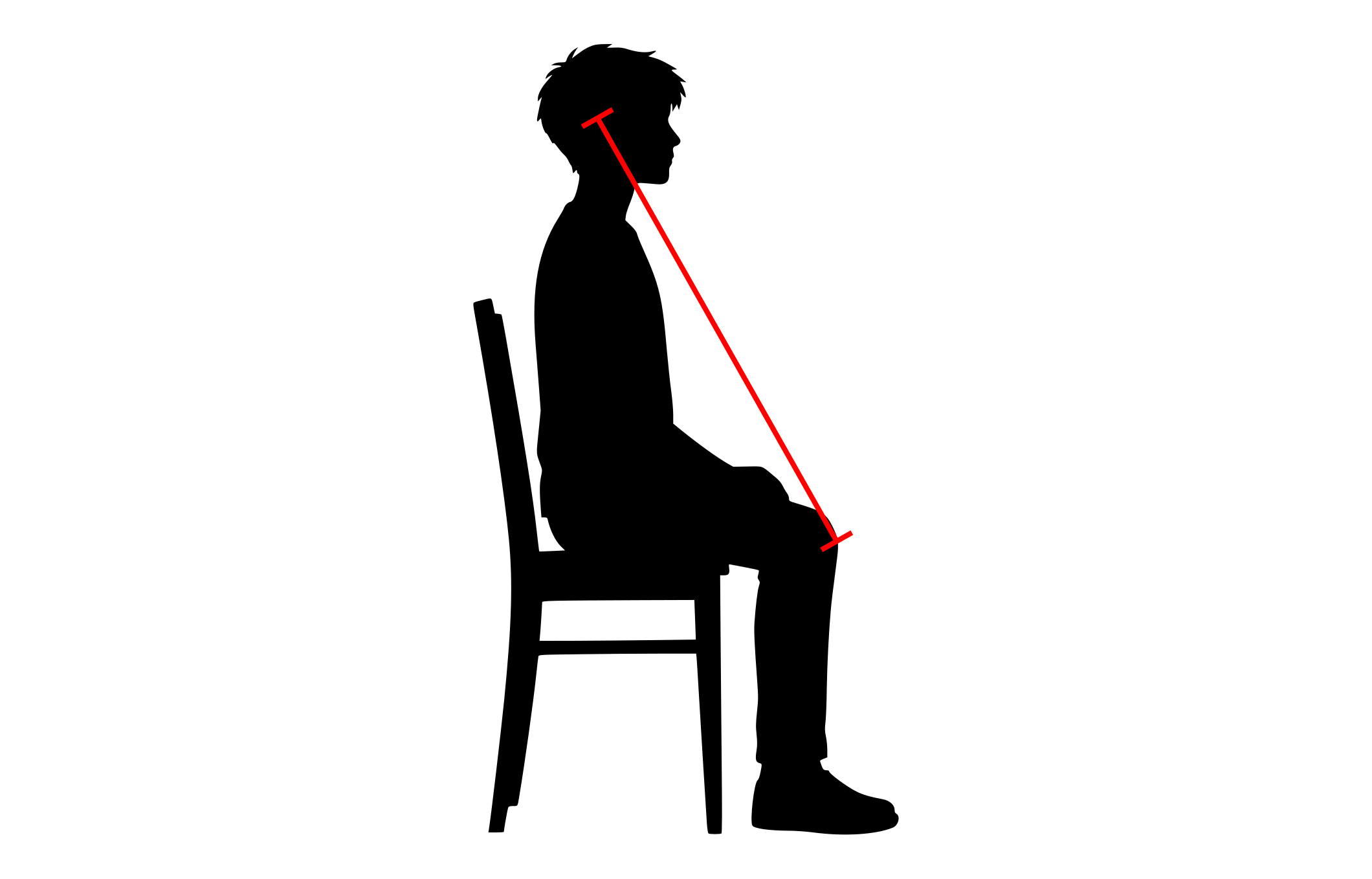
| Size of Cello | Measurement (CM) | Average Age of Student |
|---|---|---|
| 1/10 | Up to 54 CM | 4 - 5 YRS |
| 1/8 | 54 - 59 CM | 5 - 6 YRS |
| 1/4 | 59 - 64 CM | 6 - 8 YRS |
| 1/2 | 64 - 69 CM | 8 - 10 YRS |
| 3/4 | 69 - 76 CM | 10 - 12 YRS |
| 4/4 | 76+ CM | 12 - 13+ YRS |
Double Basses
When choosing a double bass, student height and comfortable left-hand reach in first position are the key considerations. A 3/4 double bass is the standard full size used by most adult and senior student players, while 1/8, 1/4 and 1/2 basses are designed for younger players. When standing naturally beside the instrument, the nut at the top of the fingerboard should sit roughly between eye and forehead height.
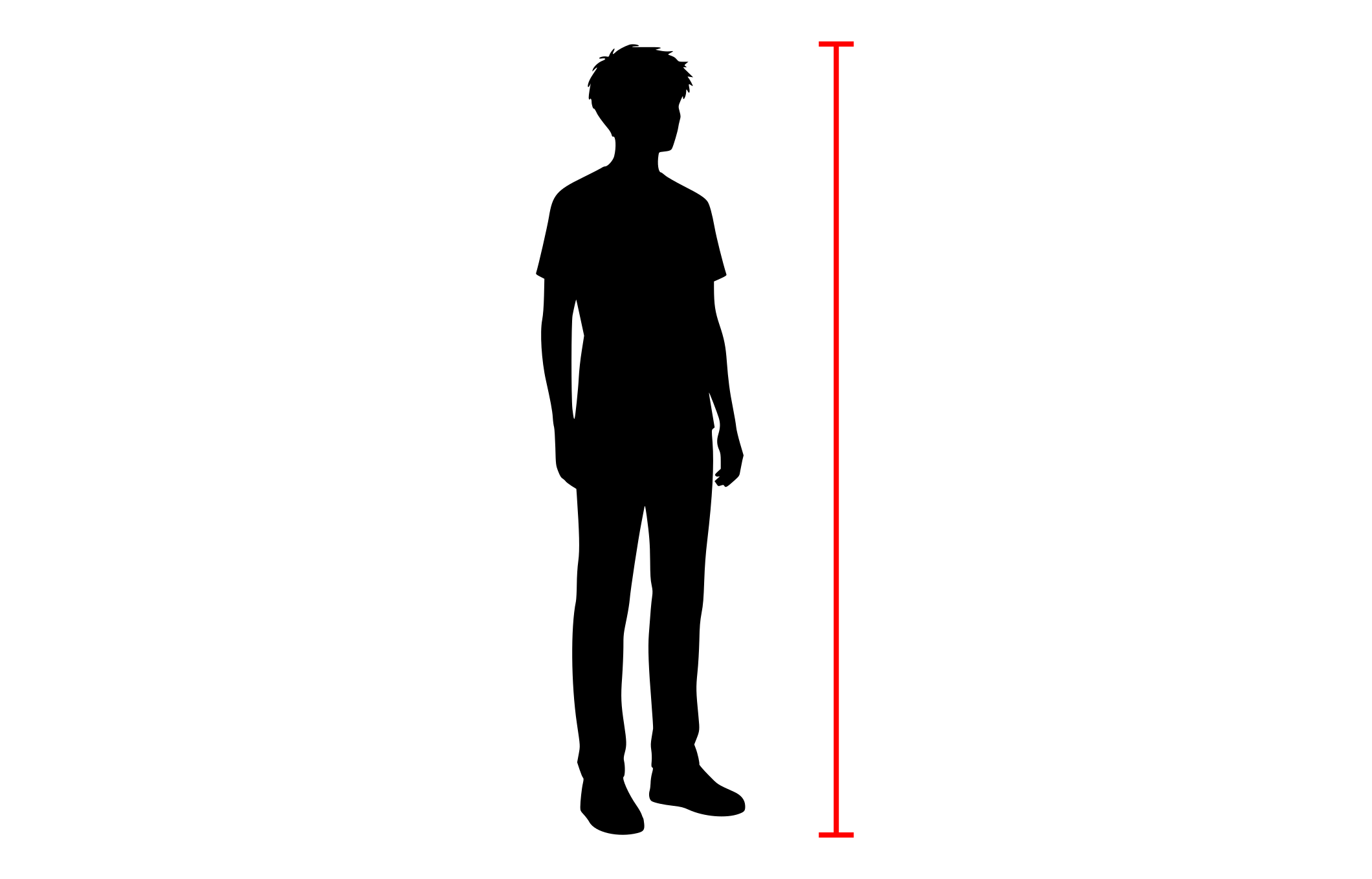
| Size of Double Bass | Approx. Student Height (CM) | Average Age of Student |
|---|---|---|
| 1/8 | 120 - 135 CM | 7 - 9 YRS |
| 1/4 | 135 - 150 CM | 9 - 11 YRS |
| 1/2 | 150 - 165 CM | 11 - 13 YRS |
| 3/4 | 165+ CM | 13+ YRS / Adult |